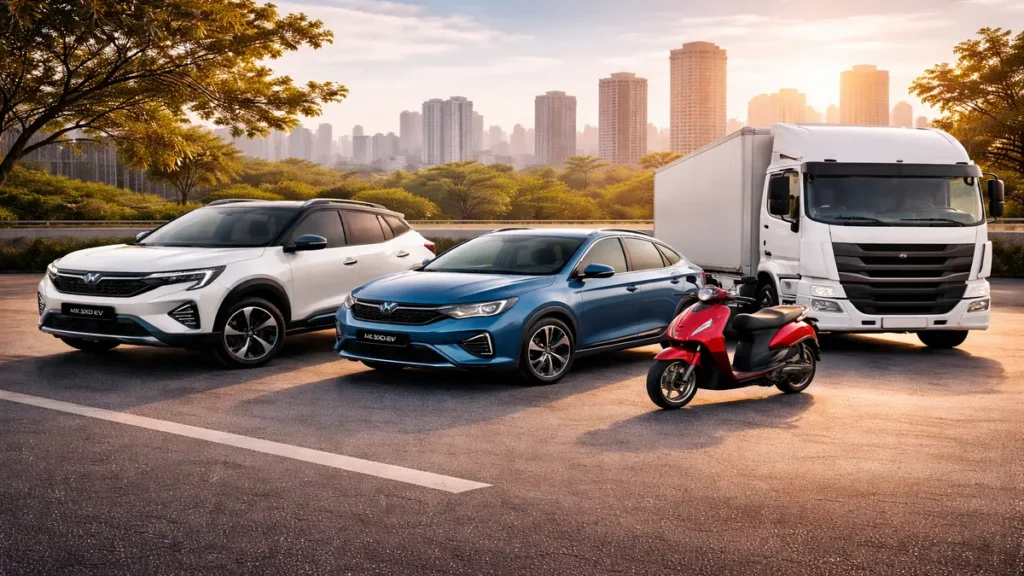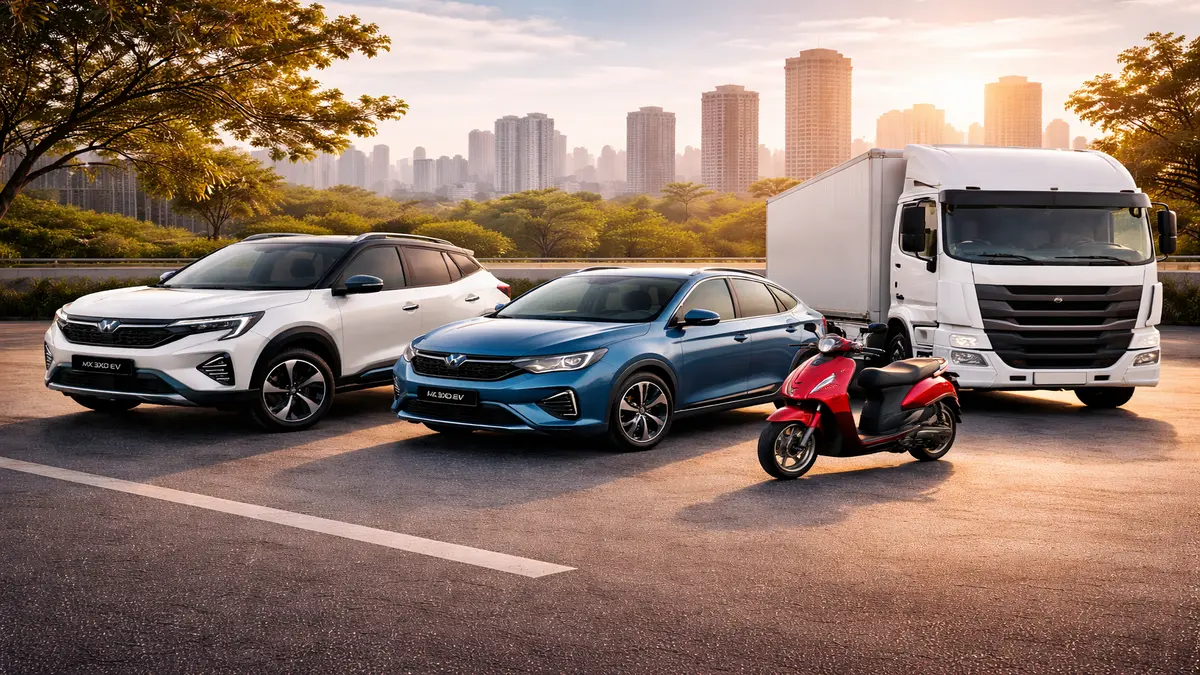
Government Auto Policies 2026 explained in simple words—BS6/BS7 updates, scrappage rules, E20 fuel, EV benefits, safety changes, and FAQs.
Hello friends, welcome back.
I hope you and your family are doing well.
Today we’re going to talk about something that affects every Indian vehicle owner—whether you drive a bike, scooter, car, taxi, or even a commercial truck.
Topic is: Government Auto Policies 2026 (India) — what’s changing, what’s coming, and what it means for your pocket.
And yes friend, I’ll explain this in a natural human tone, easy English, like a normal person sharing real understanding… not like a legal document.
So brother, let’s know some more interesting facts… Do you know it’s very special or unique?
In 2026, it’s not just one policy. It’s a bundle of rules that will impact:
- car & bike prices
- petrol/diesel future
- scrappage and fitness rules
- E20 fuel compatibility
- safety tech like ADAS
- commercial vehicle changes
- and even where old vehicles can be used
Let’s go deep, but simple.
What Do We Mean by “Government Auto Policies 2026”?
When we say “auto policies”, people often think:
“New traffic challan rules again?”
But 2026 auto policies are more than challans.
These policies include:
- emission rules (BS6, BS7 direction)
- safety rules (ADAS, safety systems)
- fuel rules (E20 ethanol blending)
- scrappage & fitness testing system
- EV rules & incentives in many states
- commercial transport rules
Basically, 2026 is a year where government is pushing:
cleaner vehicles
safer vehicles
monitored vehicles (digital tracking)
1) Emission Policies in 2026: BS6, BS6 Phase 2, and the BS7 Direction
BS6 is already here — but it evolved
BS6 came in 2020, but later BS6 Phase 2 / RDE became important.
RDE means: vehicles must control emissions not only in lab testing, but also in real-world driving.
So friend, even today if a car is “BS6” but not updated properly, it feels outdated.
BS7 discussion is important in 2026
BS7 is not just “next BS number”. It’s a more advanced direction.
In simple words:
- BS6 made engines cleaner
- BS7 will make them cleaner AND more strictly monitored
So brother, let’s know some more interesting facts… Do you know it’s very special or unique?
BS7 pressure will especially affect diesel vehicles, because diesel emission control tech is expensive.
That is why:
- some companies may reduce diesel options
- diesel variants may become costlier in future
2) Vehicle Scrappage Policy 2026: This Is Becoming Real on Ground
This is one of the biggest “silent changes”.
Many people think scrappage is only talk.
But now, rules are becoming tighter through:
- fitness testing updates
- automated testing stations
- higher fee revisions
- official circulars and notifications
What scrappage policy means for normal people
If your vehicle becomes “unfit” in fitness test, you may have:
- heavy penalty
- renewal difficulty
- higher fees
- and eventually pressure to scrap
So friend, it’s slowly moving from voluntary → stronger enforcement.
Private vehicle owners fear one thing:
“Will my old car be forced to scrap?”
The government talks about “fitness-based scrappage”, not only age.
But in reality, age + fitness rules together create pressure on older vehicles.
So brother, in 2026:
old vehicles will survive only if they pass fitness properly.
3) E20 Fuel Policy 2026: Petrol Is Not Pure Petrol Anymore
This is very important and many people ignore it.
India has been rolling out E20 fuel (20% ethanol blend in petrol).
Government roadmap commitments have spoken about E20 rollout continuing through 2026 (with discussions beyond that).
What E20 means for normal car/bike owners
E20 doesn’t mean your vehicle will stop working tomorrow.
But:
- older vehicles may get slightly lower mileage
- rubber/plastic fuel components can age faster in older models
- fuel system tuning matters
So friend, in 2026 if you are buying a new petrol vehicle, one key question to ask dealer is:
“Is it E20 compliant?”
Because in the coming years, fuel will keep evolving.
So brother, let’s know some more interesting facts… Do you know it’s very special or unique?
E20 is not only an environment plan—it’s also an oil import reduction plan.
4) Safety Policies 2026: ADAS and New Safety Systems Are Coming
This is a big topic.
ADAS requirement in 2026 (special category vehicles)
The government has been discussing ADAS requirements for vehicles carrying 8+ passengers (draft notification direction). That means:
- more safety tech
- more automation support
- higher vehicle costs
ADAS includes things like:
- lane departure warning
- forward collision warning
- autonomous emergency braking (depending on level)
Even if your car doesn’t become mandatory ADAS, the market effect will still happen:
more safety tech becomes common
more sensors become standard
cost increases over time
Heavy & commercial vehicle rules
New safety systems are also being talked about for heavy/medium commercial vehicles, including updates around vehicle dimensions and safety requirements.
So friend, commercial transport will get stricter — which is good for highway safety.
5) Old Vehicle Restrictions (NCR Type Rules) Spreading Slowly
This is a sensitive topic.
In NCR areas, old vehicles already face restrictions like:
- petrol older than 15 years
- diesel older than 10 years
And technology is being used like:
- ANPR cameras
- fuel denial systems (in some regions)
Even if you don’t live in NCR:
This policy style becomes an example and can influence other metro cities.
So brother, if you’re planning to buy diesel in 2026, think long-term:
- where you’ll use the car
- where you may move later
- resale demand
Because diesel restrictions affect resale heavily.
6) EV Policies in 2026: Less “Hype”, More “System”
EV policy is not only about subsidies anymore.
In 2026 direction, focus is clearly on:
- 2-wheelers
- 3-wheelers
- buses
- charging infrastructure
- fleet adoption
State EV policies matter more now
Many incentives are now coming from states (example: Delhi EV policy updates are discussed for 2026 style rollout).
So friend, EV market is becoming mature:
- less cheap unsafe scooters
- more quality models
- stronger charging push
So brother, let’s know some more interesting facts… Do you know it’s very special or unique?
EV policies are now being linked with:
- scrappage incentives
- city pollution targets
- last-mile delivery transformation
7) Insurance & Compliance Policies: More Digital, Less “Jugaad”
This is another silent change.
Government wants:
- digital vehicle records
- linked databases
- fast challan systems
- fitness and insurance checks
So in 2026:
- it becomes harder to run vehicles with incomplete documents
- enforcement becomes automated
Meaning:
Even if you are honest, life becomes smoother.
But if someone depends on shortcuts, it becomes difficult.
8) Tax & Registration Policies: EV Benefits Continue (But Different)
Many states still offer EV benefits like:
- road tax waiver
- registration fee waiver
- reduced charges
But this differs state-by-state.
For ICE vehicles, taxes are not going down.
In fact, as compliance cost increases, overall on-road pricing increases.
So friend, in 2026 don’t be shocked if:
- “same car is costlier than last year”
Because costs are rising from all directions:
- emission tech
- safety tech
- compliance tech
Comparison Tables (Very Useful)
Table 1: Major Auto Policies 2026 & Their Impact
| Policy Area | What’s Changing in 2026 | Who Gets Affected Most |
| Emissions | BS6 Phase 2 effect continues, BS7 direction | Diesel buyers, manufacturers |
| Scrappage | Fitness testing gets stronger | Old vehicle owners |
| Fuel | E20 rollout expanding | Older petrol vehicles |
| Safety | ADAS/safety rules expanding | MPVs, buses, commercial |
| EV | Incentives + charging push | EV buyers, fleets |
| Enforcement | Digital challan & tracking stronger | Everyone |
Table 2: Petrol vs Diesel vs CNG vs Hybrid vs EV in 2026 (Policy POV)
| Fuel Type | Policy Advantage | Policy Risk |
| Petrol | Easier than diesel to comply | E20 effect on old vehicles |
| Diesel | Still strong for highway use | stricter norms + restrictions |
| CNG | cleaner + low running cost | limited availability in towns |
| Hybrid | future-ready + no charging worry | higher purchase price |
| EV | best running cost + clean | charging planning needed |
Practical Real-Life Examples (Town Style)
Example 1: Middle-class family planning SUV in 2026
They shortlist diesel SUVs due to mileage.
But then they realise:
- diesel cost is higher
- DPF/SCR maintenance risk
- resale may be affected later
So they switch to:
- petrol turbo OR
- hybrid OR
- EV (if home charging possible)
This is happening a lot.
Example 2: Shopkeeper / delivery business
He needs a low running cost.
EV 3-wheeler policy support + charging growth makes EV a strong choice.
So friend, the government wants businesses to move first — because it creates a faster impact.
What to Expect in Vehicle Prices in 2026
Let me say this clearly:
Most vehicles will get costlier.
Not because companies are greedy only, but because:
- new sensors
- new compliance testing
- new safety features
- updated parts
So brother, if you buy a 2026 model:
You may get slightly better tech, but you will also pay more.
“Should I Buy a Vehicle in 2026 or Wait?”
A very common question.
Here’s my honest POV:
Buy now if:
- your daily running is high
- your current vehicle is unreliable
- you need safety upgrade
- you want EV savings early
Wait if:
- your usage is low
- you are confused between EV and hybrid
- you’re expecting a specific new model launch
But friend, waiting forever is not smart because:
prices rarely go down.
Read More
Hyundai Loniq 6 Review: Stylish, Futuristic & Fully Electric Car in India
Kia EV9 Review 2025 – Specs, Price, Range & Global Market Insights
Kia EV3 – The Compact Electric SUV Redefining Affordable EV Mobility
FAQs – Government Auto Policies 2026 (India)
1) What are the biggest auto policy changes in 2026?
The biggest changes are:
- stricter emission compliance direction
- stronger scrappage/fitness enforcement
- E20 fuel rollout impact
- more safety tech push (ADAS & commercial safety systems)
- EV ecosystem strengthening
2) Will BS7 start in 2026?
BS7 is expected in the 2026–27 timeframe direction (with phased movement possible). Exact enforcement depends on official notifications.
3) Will old vehicles be banned in 2026?
Not everywhere. But restrictions on old diesel/petrol vehicles exist in some regions (like NCR), and similar approaches may expand over time.
4) Will E20 damage my old car?
E20 can reduce mileage slightly in older cars and may increase wear in some older fuel components. New E20-compliant vehicles handle it better.
5) Will car prices increase in 2026?
Yes, likely. More safety systems + emission tech + compliance requirements increase cost.
6) Is diesel worth buying in 2026?
Diesel is still good for:
- heavy highway running
- long distance travel
But policies are making diesel: - more expensive
- more complex
- less future-friendly in some cities
7) What is the scrappage policy actually doing?
It is pushing removal of unfit older vehicles through:
- stronger fitness checks
- incentives to scrap
- disincentives to keep old vehicles
8) Which is best in 2026: EV or Hybrid?
EV is best for low running cost if home charging exists.
Hybrid is best if you want mileage without charging tension.
Final Conclusion (Simple, Honest)
So friend, government auto policies in 2026 are not meant to trouble people.
They are meant to:
- reduce pollution
- improve road safety
- modernize transport
- prepare India for future mobility
But yes, reality is:
cleaner & safer vehicles
higher upfront cost
So brother, let’s end with one last line —
Do you know it’s very special or unique?
Because 2026 is the year where India is slowly shifting from “simple vehicles” to “regulated smart vehicles”.